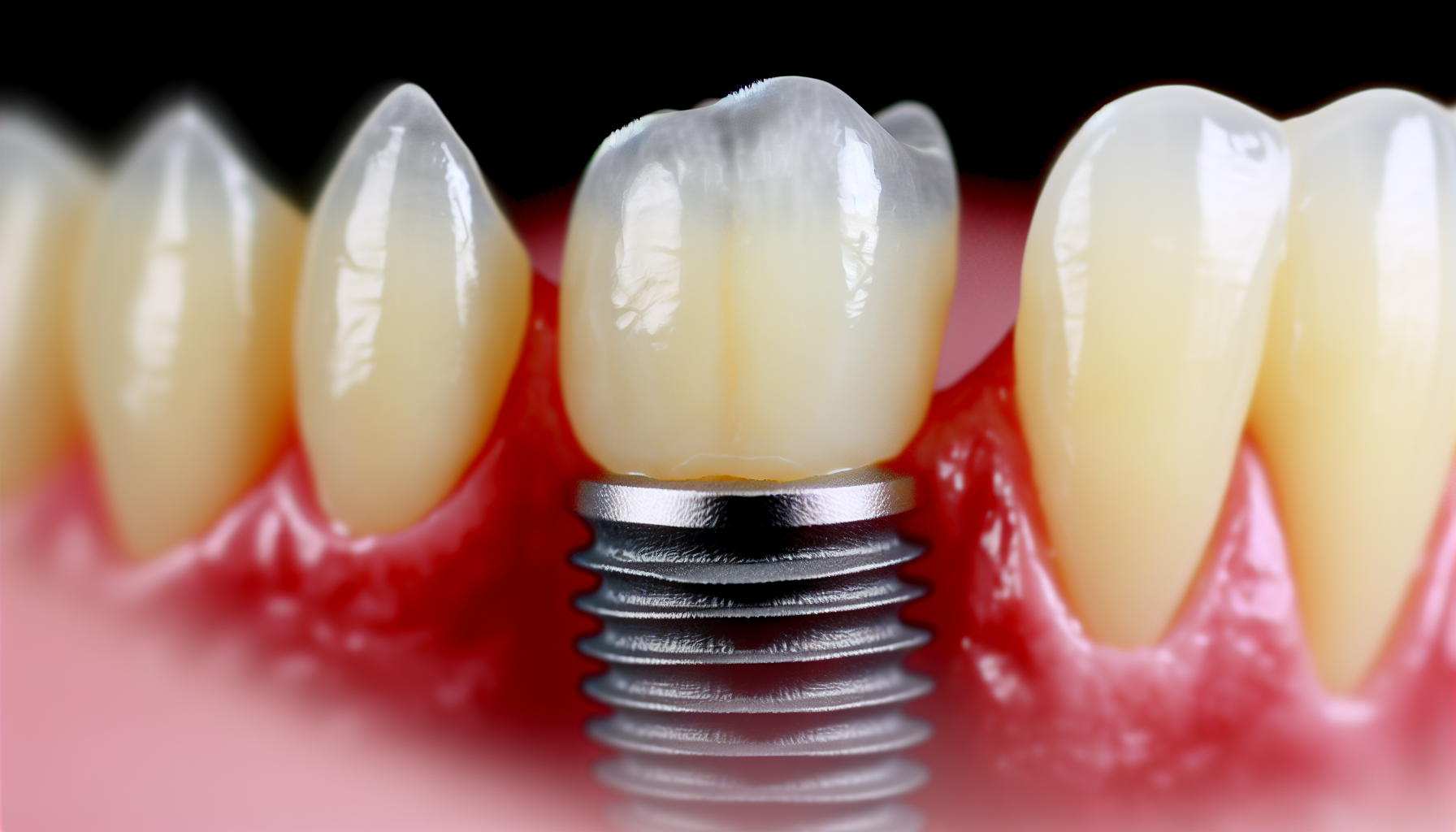
Dental implants represent a significant advancement in dentistry, providing a permanent solution for tooth loss. This article examines the pros and cons of dental implants, offering a well-rounded perspective on their benefits, potential drawbacks, and the considerations necessary for making an informed decision about this dental option.
Understanding Dental Implants
Dental implants are advanced dental devices designed to replace missing teeth, providing a robust foundation for various prosthetics such as crowns, bridges, and dentures. Defined as artificial tooth roots, dental implants are typically made from biocompatible materials like titanium, which allows them to integrate seamlessly with the jawbone. This integration occurs through a biological process known as osseointegration, where the bone cells grow and attach to the surface of the implant. This vital process not only ensures the stability of the implant but also helps to preserve the surrounding bone structure, preventing the jaw from deteriorating over time.
The primary purpose of dental implants is to restore functionality and aesthetics for individuals who have lost teeth due to injury, periodontal disease, or other dental issues. They provide a more permanent solution compared to traditional dentures and bridges, which can slip or shift and often require adjustments. As dental technology advances, there has been a notable rise in the popularity of dental implants, attributed to their durability and lifelike appearance. Many patients find that implants can significantly enhance their confidence and improve their ability to chew and speak comfortably. The increasing acceptance and success rate of dental implants reflect their role as a modern solution in restorative dentistry, attracting more individuals seeking long-term oral health solutions.
Advantages of Dental Implants
Dental implants offer a myriad of advantages that significantly enhance the quality of life for those with missing teeth. Firstly, they provide improved aesthetics by closely mimicking the appearance of natural teeth. This enhancement not only restores smiles but also positively influences self-esteem and social interactions. Patients often report feeling more confident when engaging in conversations and participating in various activities.
In addition to aesthetics, dental implants offer enhanced comfort. Unlike traditional dentures, which can slip or cause discomfort, implants are securely anchored in the jawbone. This stability means that patients can enjoy their favorite foods without fear or discomfort, contributing to a more fulfilling dining experience. Functionally, dental implants operate just like natural teeth, allowing for efficient chewing and speaking without the worry of shifting or clicking.
Another crucial benefit is the promotion of better oral health. Unlike bridges, which require alteration of adjacent teeth, implants preserve the structure of surrounding teeth, thereby minimizing potential complications. Furthermore, they help prevent bone loss in the jaw, a common issue following tooth loss. Over time, the integration of the implant with the bone—known as osseointegration—not only stabilizes the implant but also promotes long-term oral health longevity.
Overall, the many benefits of dental implants underscore their value as a long-term solution for tooth loss, impacting not just dental health but also overall quality of life significantly.
Potential Drawbacks of Dental Implants
While dental implants offer numerous benefits, it’s essential to recognize the potential drawbacks, allowing for a well-rounded understanding. One of the primary concerns is the **surgical risks** associated with the implantation process. As with any surgery, there are inherent risks such as bleeding, nerve damage, and adverse reactions to anesthesia. Additionally, the surgical procedure necessitates the presence of sufficient jawbone density. If this is lacking, patients may require bone grafts, complicating the process further.
Moreover, the **cost** of dental implants can be significant. Unlike traditional dentures or bridges, implants often involve multiple procedures, with expenses that may extend beyond initial consultations to follow-up care. The average cost per implant can vary, but many patients find it prohibitive, especially when insurance coverage may be limited.
Another concern is the risk of **infection** at the implant site, a complication that can arise in the days or weeks following surgery. Infections may prolong recovery times and could potentially lead to implant failure. Additionally, there is a possibility of failure to **osseointegrate**, where the implant doesn’t fully integrate with the jawbone, resulting in looseness or complete loss of the implant.
Several individual factors can affect the success of dental implants, including overall health, lifestyle habits, and oral hygiene practices. For example, patients with chronic diseases, such as diabetes, or those who smoke, may face increased risks. Ultimately, patient suitability is crucial, and a thorough evaluation by a dental professional is essential to determine whether dental implants are the right choice for each individual.
Making an Informed Decision
When contemplating dental implants, making an informed decision involves assessing multiple factors that can significantly influence the outcome of the procedure. One crucial element to consider is your personal health. Individuals with certain medical conditions, such as uncontrolled diabetes or autoimmune disorders, may face increased risks associated with surgery. It is essential to discuss your complete medical history with your dentist to evaluate your suitability for implants and understand any necessary precautions.
Budget is another critical consideration. Dental implants are often more costly than traditional dentures or bridges, which can create financial strain. It’s important to obtain a thorough estimate that includes the surgery, materials, and any potential follow-up treatments, allowing you to gauge whether dental implants are feasible within your financial parameters. Additionally, some dental offices offer financing options that can alleviate immediate financial burdens.
Lastly, consulting with a dental professional cannot be overstated. Their expertise will provide you with personalized recommendations based on your dental health, lifestyle, and specific needs. A qualified dentist can guide you through the pros and cons, ensuring you understand every aspect of the procedure while addressing any concerns you may have. Engaging in an open dialogue with your dentist fosters clarity and confidence, crucial elements for making a sound decision regarding dental implants.
Conclusions
In summary, while dental implants offer numerous advantages such as improved aesthetics and function, they also come with risks and costs that must be considered. It is essential for individuals to consult with dental professionals to determine if implants are the right choice for their specific needs.
Leave a Reply